
Particle Size Distribution (PSD) determines dissolution rate, bioavailability, powder flow and overall manufacturability of solid pharmaceuticals. Finer fractions increase surface area and speed dissolution but can cause variability or dose dumping; coarser fractions slow release and aid flow. Shape, porosity, aggregation and moisture further modify performance. Development uses high-resolution analytics; production favors robust inline PAT and clear sampling. Linking D10/D50/D90 and span to CQAs enables control. Continue for practical methods, workflows and control strategies.
How PSD Affects Dissolution, Bioavailability, and Powder Flow
When particle size distribution shifts toward finer fractions, surface area increases and dissolution rates commonly accelerate https://laballiance.com.my/, which can enhance bioavailability for poorly soluble drugs but also raise the risk of dose dumping or variability.
The manuscript observes that smaller particles dissolve more rapidly, improving absorption yet demanding tighter control to prevent unintended spikes. Conversely, coarser distributions slow dissolution and may reduce bioavailability but offer greater buffering against rapid release.
Particle shape, porosity, and aggregation alter effective surface area and wettability, mediating these outcomes.
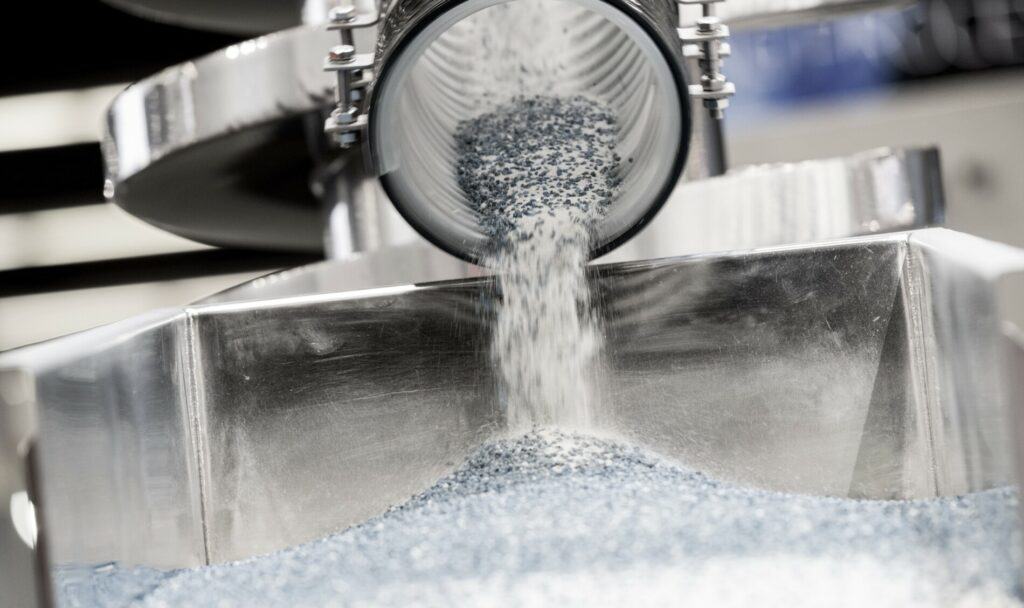
Powder flow correlates with PSD breadth: narrow, intermediate sizes often flow best; very fine or highly heterogeneous blends tend to cake, segregate, or bridge.
Balancing dissolution needs and manufacturability supports robust, flexible formulations.
Choose PSD Methods for Development and Production
Selecting appropriate particle size distribution (PSD) measurement and control methods requires aligning analytical capability with formulation goals, scale, and regulatory expectations. Decision-making weighs technique resolution, throughput, sample state (wet/dry), and sensitivity to fines.
Development favors high-resolution, flexible tools—laser diffraction for broad distributions, dynamic image analysis for shape and agglomerates, and electrical sensing for fine fraction counts—enabling formulation freedom.
Production prioritizes robustness, speed, and inline or at-line integration: focused beam reflectance measurement (FBRM), acoustic or optical probes, and automated sieve systems fit continuous operations.
Method selection also considers calibration needs, maintenance, operator skill, and validation path to satisfy quality systems. Ultimately, choices balance analytical precision, operational practicality, and regulatory traceability without constraining formulation options.
Practical Sampling and Measurement Workflows for Reliable PSD Data
Because reliable PSD results depend as much on how material is sampled and handled as on the instrument used, a clear, reproducible workflow that defines sampling points, sample size, handling precautions, and transfer protocols is essential before measurement begins.
The workflow should specify representative sampling locations, randomized timing to avoid bias, and minimum sample masses to ensure statistical validity.
Handling notes must minimize segregation, aggregation, moisture uptake, and electrostatic effects; standard tools and antistatic measures aid consistency.
Chain-of-custody and labeling reduce mix-ups.
Pre-measurement preparation—dispersion media, sonication settings, wet versus dry presentation—should be documented and validated.
Routine checks, blank runs, and control materials verify method stability.
Records enable independent review and empower teams to adapt procedures without compromising data integrity.
Interpret PSD: Link Results to CQAs and Process Controls
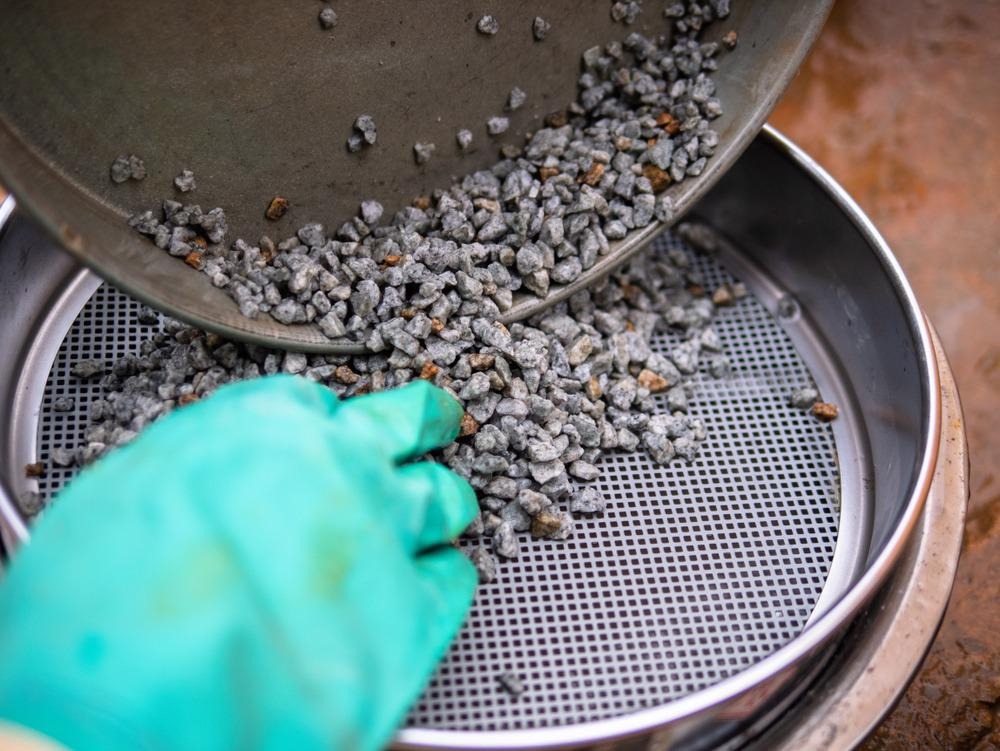
Although particle size distribution (PSD) is often treated as an analytical output, it must be interpreted in the context of critical quality attributes (CQAs) and specific process control points to be actionable. The interpretation links measured metrics (D10, D50, D90, span) to product performance: dissolution, content uniformity, flow, and stability.
Analysts map PSD deviations to downstream risks and identify which CQAs are sensitive to size shifts. Correlating PSD trends with unit operation parameters—milling energy, residence time, drying conditions—pinpoints control points without prescribing interventions.
Statistical control charts and capability analyses quantify acceptable variation and trigger investigations when limits are breached. Clear reporting translates PSD data into decision-ready insights, empowering teams to maintain quality while preserving operational flexibility and innovation.
Actionable Strategies to Control PSD During Production
When process steps are adjusted with intent and data, manufacturers can reliably shape particle size distribution to meet product requirements. Operators employ targeted controls—mill speed, feed rate, classifier settings, solvent ratios, and residence time—to steer median diameter and distribution breadth.
Real-time PAT and feedback loops enable responsive adjustments, preserving freedom to optimize across batches while maintaining compliance. Sampling plans link in-process measurements to corrective actions; change limits trigger defined interventions.
Scale-up strategies preserve control by matching energy input and shear profiles rather than geometry alone. Robust cleaning and material handling prevent contamination shifts in PSD.
Documentation of decision rules and acceptance criteria empowers teams to enact measured changes quickly, balancing product performance with operational autonomy.
Conclusion
Particle size distribution (PSD) critically shapes dissolution, bioavailability, and powder flow, demanding methodical selection of measurement techniques and disciplined sampling. Reliable PSD data arise from robust workflows that connect analytical results to critical quality attributes and process controls. By integrating targeted monitoring, adaptive control strategies, and practical in-process adjustments, manufacturers can maintain consistent product performance and regulatory compliance. Continual evaluation and cross-disciplinary collaboration guarantee PSD remains a controllable, predictable parameter throughout development and production.